How Boutique Senior Care Residences Improve Activities of Daily Living
Business Name: BeeHive Homes of Portales
Address: 1420 S Main Ave, Portales, NM 88130
Phone: (505) 591-7025
BeeHive Homes of Portales
Beehive Homes of Portales assisted living is ideal for those who value their independence but require help with some of the activities of daily living. Residents enjoy 24-hour support, private bedrooms with baths, medication monitoring, home-cooked meals, housekeeping and laundry services, social activities and outings, and daily physical and mental exercise opportunities. Beehive Homes memory care services accommodates the growing number of seniors affected by memory loss and dementia. Beehive Homes offers respite (short-term) care for your loved one should the need arise. Whether help is needed after a surgery or illness, for vacation coverage, or just a break from the routine, respite care provides you peace of mind for any length of stay.
1420 S Main Ave, Portales, NM 88130
Business Hours
Families seldom start investigating care choices due to the fact that everything is going well. Generally there has been a fall, a frightening moment with medication, or a slow accumulation of small concerns that lastly feels like excessive. In those discussions, the same questions show up: Will Mom still be able to shower securely? Who will ensure Dad is eating genuine meals, not simply toast? How do we keep them strolling, dressing, and managing basic tasks for as long as possible?
Those daily jobs are what specialists call Activities of Daily Living, or ADLs. The way a home is arranged around ADLs frequently matters more than its features, its decoration, or its marketing language. This is where shop senior care homes can silently excel.
I have actually walked through lots of big assisted living communities and a comparable variety of smaller, boutique-style senior care homes. What stays with me is not the chandeliers or the game rooms. It is the method a caregiver gently hints a resident to shift weight before a transfer, or how a resident's favorite cardigan is always hanging in the exact same area so dressing feels easy instead of confusing.
This short article looks closely at how shop senior care homes can improve ADLs, how they vary from bigger assisted living settings, and how families can evaluate whether a particular home is most likely to help their loved one not just live longer, however live better.
What ADLs Really Mean in Daily Life
Professionals tend to group Activities of Daily Living into a familiar core: bathing, dressing, grooming, toileting, transferring, and consuming. Lots of also talk about "crucial" activities, like managing medications, using a phone, shopping, or preparing meals.
Those classifications are useful for evaluation, but households normally experience them more personally:
A child notifications her father is all of a sudden wearing the very same t-shirt numerous days in a row and bristles when she suggests a shower. A spouse recognizes her partner is "forgetting" to shave, which for him would have been unimaginable a few years previously. A kid opens the fridge and sees half-eaten containers and random products, not genuine meals.
Struggles with ADLs signal more than physical decline. They often expose cognitive changes, mood shifts, or losses in self-confidence. When ADLs slip, individuals withdraw. They prevent visitors, feel ashamed, and their threat of falls, infections, and hospitalization climbs.
The best senior care environments treat ADLs as opportunities to support identity and dignity, not simply jobs on a checklist. That is where the shop approach can make a genuine difference.
What Specifies a Shop Senior Care Home
"Store" is not a regulated term. It tends to describe smaller, more tailored senior care settings, frequently with:
Fewer citizens, in some cases 6 to 20 rather than 80 to 150. A residential feel, such as converted single-family homes or purpose-built but small-scale buildings. Higher staff-to-resident ratios and more steady groups. More flexibility in routines and menus.
Boutique homes may be accredited as assisted living, residential care, or board-and-care, depending on the state. Some concentrate on memory care, others on basic elderly care, and some offer short-term respite care remain in addition to long-term residence.
The core feature is not luxury. It is scale. With less individuals to support, staff can take notice of how each resident actually lives: which side they prefer to rise, whether they like to shower in the morning or during the night, for how long they normally sit before their back stiffens.
Those small observations are what preserve ADLs over time.
Why Size and Scale Matter for ADLs
In a large assisted living neighborhood, early morning care typically needs to run like an assembly line. Staff are assigned a long list of locals to help up, toileted, bathed or showered, and dressed, all before breakfast ends. Even with caring staff, the speed encourages shortcuts. If buttoning is slow, they button for the resident. If strolling from bed room to dining room takes 10 minutes, they may press a wheelchair instead.
The result is subtle however substantial. What the resident could do with time and cueing gets taken control of. Within months, the resident does less, the muscles decondition, and the ADL rating drops. Families often presume this is the disease progressing. Typically, it is the environment quietly speeding up the decline.
In a boutique senior care home, personnel normally support fewer homeowners per shift. I have enjoyed caretakers sit on the edge of the bed and wait through a long silence while a resident organizes herself to stand. No hurrying, no visible impatience. That additional 2 minutes makes the difference between "dependent" and "requires some support."
A resident who continues to transfer with assistance instead of be raised or wheeled maintains leg strength, circulation, and a sense of agency. Those details compound over years.
Physical Environment as an ADL Tool
One of the strongest advantages of shop homes is that the building itself can be arranged around how people in fact move through their day.
Hallways tend to be shorter. Distances in between bed room, bathroom, and dining area are less challenging. For someone with arthritis or mild heart failure, that can imply the distinction between strolling separately and requiring a wheelchair. Restrooms can be customized more securely to the resident's needs: get bars put to match a person's height and dominant hand, shower heads lowered or portable, shelving organized so preferred items are constantly in arm's reach.
Lighting and noise levels matter more than a lot of households understand. In a smaller, quieter space, a resident can better hear a caregiver's verbal hints: "Move your hand along the rail. Excellent. Now lean forward just a little." That enhances both security and confidence.
I checked out a 10-bed home where staff discovered one resident consistently declined night showers. Instead of chalk it as much as "habits," they focused. The corridor to the restroom was dim; her space was bright. They added a warm, continuous light along the course and a nightlight in the bathroom. Within a few days, her resistance softened. It was not about stubbornness. It was about depth perception and worry of falling in low light.
Boutique settings can make small, fast modifications like this without a committee conference or a six-month capital strategy. That responsiveness shows up in ADL performance.
Staff Relationships and the Power of Familiarity
ADLs make love. Helping an senior care beehivehomes.com individual bathe, toilet, dress, or manage incontinence needs trust. In large communities where personnel turnover is high, locals might see a carousel of unfamiliar faces. For somebody with dementia or anxiety, that is a major barrier to accepting help.
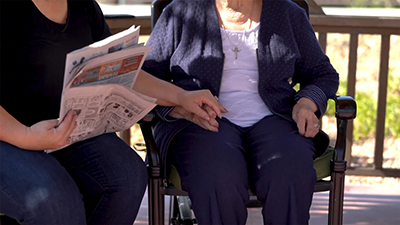
In many store homes, the staff is smaller, and schedules are more predictable. A resident may see the exact same caregiver 3 or 4 days weekly, on the very same shift. Familiarity grows, and with it, cooperation.
A resident who declines a shower from a brand-new aide may accept one from "Ana who understands my cream." A caretaker who has seen a resident through excellent and bad days can typically anticipate what will assist on a rough morning: coffee initially, preferred music, a slower pace. That versatility assists preserve ADLs, since the resident remains taken part in the procedure instead of pulling away or shutting down.
For personnel, having an intimate understanding of "their" residents likewise improves clinical judgment. A caretaker seeing that a normally steady walker is suddenly unstable can flag a prospective urinary tract infection or medication concern early, long before a fall.
Individualized Routines Rather of Institutional Timetables
Rigid schedules are efficient for buildings, not necessarily for bodies. Individuals do not age into harmony. Some have actually always bathed during the night, others very first thing in the morning. Some need time to awaken slowly before any needs are made.
Large assisted living operations typically need to cluster showers and dressing support into narrow time windows to cover everyone. Shop homes can stagger routines.
I dealt with a small home that had a resident who had constantly been a late sleeper. In her previous bigger community, staff woke her at 6:30 a.m. For "early morning care" since that is how the task sheets were structured. She became agitated, screamed, started out, and was labeled as having "challenging behaviors."
In the shop home, personnel consented to leave her undisturbed up until 8:30 or 9, then provide breakfast in her room if she wished. Within a week, the "behaviors" had practically disappeared. She still required support with dressing and bathing, however she accepted it calmly and cooperatively. Her ADL ratings did not magically enhance, but her capability to take part in her care did, and that is critical.
Boutique homes can also flex meal times, toileting schedules, and activity windows to match private habits. For ADLs, that means tasks are done when the resident is at their finest, not when the building requires it.
Supporting Movement Rather of Changing It
One of the most significant fault lines in between settings is how they treat movement. For personnel in a rush, a wheelchair is appealing. It feels faster and much safer. Yet moving a person prematurely to a wheelchair, or overusing it, is one of the quickest paths to losing the capability to walk.
In the better store homes, you see an extremely deliberate approach: preserve and use whatever mobility exists, even if it takes some time. Personnel walk along with residents, not in front of them pressing. They include movement into daily life instead of confining it to "exercise class."
Examples from practice:
A resident who is unsteady on uneven surface areas goes outside day-to-day anyhow, however only on a thoroughly selected path, with a gait belt and close supervision. A man who constantly loved to "repair things" is invited to help carry light tools or hold a flashlight when small repairs are done, offering him purposeful walking.
That type of combination matters more than a set up 30-minute workout. ADLs like transferring, toileting, and dressing all depend upon leg strength, balance, and self-confidence to move. By keeping movement part of real life, shop homes extend those capacities.
When formal rehabilitation is included, such as after hip surgical treatment or stroke, a small setting can typically coordinate more effortlessly with physical and physical therapists. Personnel get useful training at the bedside: where to stand throughout transfers, what type of spoken cueing is advised, just how much assistance to offer and when to keep back. This tight feedback loop improves carryover into ADLs.
Bathing, Dressing, and Grooming With Dignity
Bathing is frequently the hardest ADL for families to handle in the house, and the one they most dread handing over to complete strangers. In practice, how a home manages bathing tells you a good deal about its culture.
In a store environment, it is easier to do the following:
Limit the number of different caretakers who help a resident in the shower, to develop trust. Adjust the rate to the person's stress and anxiety level, even if that implies dispersing bathing jobs over 2 much shorter sessions instead of one long one. Use personal choices: water temperature, particular soaps, whether the person likes to wash their own hair or have it done for them.
Dressing and grooming follow the exact same pattern. Smaller homes are most likely to appreciate a person's clothes style instead of push everyone into elastic-waist pants and zip-up coats "for practicality." For some locals, having the ability to select a tie, a piece of precious jewelry, or a particular sweatshirt is more than vanity. It is continuity of self.
I remember a retired instructor with mild dementia whose family was amazed at how well she continued to dress and groom herself in a 12-bed setting. The factor was not complicated. Personnel set up her clothing in the exact same order, in the same drawer, at the exact same time each day, and cued her action by action, without hurrying. In her previous bigger setting, staff had often merely dressed her to conserve time. The difference was not the building. It was the time and attention.
Nutrition and Mealtime as ADL Support
Eating is technically an ADL, however it is likewise a gathering, a cultural routine, and a major driver of physical health. Boutique senior care homes can turn mealtime into active support for self-reliance rather than passive feeding.
Smaller dining spaces minimize noise and confusion, which helps residents with dementia concentrate on the job of eating. Staff can sit with locals, not just circulate, and give gentle prompts: "Here is your fork. Attempt a bite of the chicken." Menus can be adjusted rapidly. If personnel notice that 3 residents consistently leave most of the meat, they can adjust textures or gravies without a bureaucracy.
For homeowners who battle with fine motor abilities, smaller homes can try out various plate rims, adaptive utensils, or finger-food versions of the exact same meals. The goal is to keep the resident feeding themselves as long as possible, with quiet, behind-the-scenes adjustment rather than overt "special treatment" that may feel infantilizing.
Hydration is another subtle ADL support. In a shop setting, personnel often understand who chooses iced water, who drinks more if the cup has a straw, and who will only consume tea if it is made a particular way. Those personal details affect kidney function, high blood pressure, and fall risk.
Social and Psychological Layers of ADLs
You can not separate ADLs from state of mind. An individual who is lonesome or depressed frequently loses interest in bathing, grooming, or perhaps consuming. A smaller, more relational home can catch and deal with those psychological shifts faster.
Familiar staff notification when someone withdraws from usual regimens. That might be the resident who constantly liked to sit by the window now staying in bed, or the lady who enjoyed having her hair curled unexpectedly stating "do not trouble." In a boutique home, personnel often have time to sit and ask questions, or at least alert a nurse or social worker, rather than treating the change as easy stubbornness.
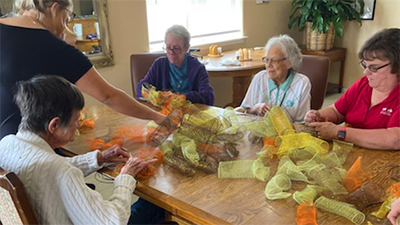
Group size likewise affects social comfort. Some citizens discover large activity rooms and big-group events frustrating. They may avoid them and become labeled as "not participating." In a shop senior care home, activities can be smaller and more spontaneous. Two residents folding laundry together, or one assisting to shell peas in the kitchen area, can be more significant than an arranged bingo hour.
That sense of belonging feeds back into ADLs. People are more willing to get dressed, groomed, and come to the table when they know they will see familiar faces and feel helpful, not just be parked in front of a television.

Where Store Residences Excel Compared With Big Assisted Living
Large assisted living neighborhoods are not inherently poor choices. They frequently have strong medical resources, on-site therapy, and a broader series of structured activities. The question is fit.
For ADL assistance, shop homes tend to outperform in a few useful ways:
- Staff-to-resident ratios are often higher, so caretakers can give more individually time for bathing, dressing, toileting, and movement, which protects capabilities longer.
- Routines are more versatile, so citizens can shower, eat, and sleep at times that match their life time practices, which minimizes resistance and enhances cooperation.
- Physical layouts are easier and distances much shorter, which makes walking, toileting, and discovering one's room or the dining area easier, specifically for those with dementia.
- Relationships are more stable and familiar, which increases trust and decreases anxiety around intimate care like bathing and toileting.
- Small adjustments can be made rapidly, such as customizing restrooms, seating, or meal arrangements for someone, without needing to revamp a whole unit.
Families weighing a bigger assisted living facility versus a shop senior care home must not just compare amenities. They ought to ask, very straight, how this location will keep their loved one walking, consuming, grooming, and utilizing the bathroom as separately and securely as possible.
The Role of Boutique Houses in Respite Care
Not every family is searching for long-term positioning. Sometimes the immediate need is breathing room: a partner who has been supplying 24-hour elderly care needs surgery, or an adult child caretaker is stressing out and requires a short reset.
Short-term respite care in a store home can be important in two directions. The caretaker gets a break, and the older adult gains direct exposure to a structured environment that actively supports ADLs.
During a two or 4 week respite stay, staff can typically:
Re-establish safe bathing routines that have slipped in the house. Enhance toileting schedules and address constipation or incontinence. Get eyes on mobility problems, perhaps involve a therapist, and send out the resident home with a better prepare for transfers and walking.
Families sometimes report that their loved one returns from respite "doing much better" with everyday jobs than in the past. That is generally not magic. It is just the result of constant cueing, practiced transfers, and steady nutrition and hydration.
Respite stays are likewise a low-commitment way to examine a boutique home as a possible future option. Viewing how personnel support ADLs throughout a short stay can tell you a lot about what longer-term life there would look like.
Trade-offs, Cost, and Practical Expectations
Boutique senior care homes are not the right suitable for every scenario. Compromises are real.
Cost can be greater per resident than in large assisted living facilities, particularly in metropolitan markets where property worths are high. Some shop homes are private pay just, with limited approval of long-lasting care insurance coverage or Medicaid waivers.
Clinical resources vary. A smaller home might not have on-site nurses 24/7 or immediate access to rehab services. For homeowners with complicated medical requirements, such as regular IV medications or sophisticated ventilator assistance, a proficient nursing facility might be more appropriate regardless of its more institutional feel.
Even in strong boutique homes, not every ADL can be fully protected. Progressive dementias, major persistent health problems, and frailty will ultimately minimize self-reliance, no matter how exceptional the care. What families can reasonably hope for is a slower, gentler trajectory of decrease, less crises, and more self-respect in the process.
Part of the expert function in senior care is to assist households set expectations. A store setting can improve safety and quality of life, but it can not bring back a level of function that the individual has actually clearly lost. The focus is typically on preserving what remains, compensating smartly where needed, and avoiding compounding damage by doing excessive for the resident too soon.
What to Ask When Evaluating a Store Senior Care Home
Tours tend to highlight décor and social programs. To comprehend how a home supports ADLs, you need more pointed questions. Utilized together, the following short checklist can help:
- Ask for particular staff-to-resident ratios on days, evenings, and nights, and for how long the average caregiver has actually worked there, to gauge stability and capacity for one-on-one ADL support.
- Observe bathrooms and bed rooms for personalized setup: grab bars, adaptive equipment, clothes company, and proof that spaces are tailored to individuals instead of standardized.
- Ask how they handle a resident who declines a shower or withstands toileting, and listen for nuanced, person-centered strategies instead of talk of "compliance."
- Inquire about partnership with physical and physical therapists after hospitalizations, and how therapy recommendations are included into everyday care.
- Speak straight with caretakers, not just administrators, about how they help locals stroll, move, consume, and dress; frontline personnel will expose the genuine culture.
If the responses are vague or greatly scripted, that is a warning sign. Houses that genuinely focus on ADLs can talk concretely about how their routines differ from a more institutional assisted living model, and they can use particular examples without revealing personal details.
Bringing It All Together
The core pledge of any senior care setting, whether labeled assisted living, memory care, or residential care, is that basic daily requirements will be satisfied reliably and respectfully. Shop senior care homes make that guarantee in a specific method: through small scale, close relationships, and an environment that bends to the person, not the other way around.
For families, the decision is rarely simple. Yet when you remove away marketing language and amenities, one concern often cuts through the sound: Where is my loved one most likely to continue bathing, dressing, strolling, consuming, and managing the details of daily life in a manner that feels like them?
For numerous older adults, particularly those overwhelmed by large crowds or rigid timetables, a thoughtfully run shop senior care home is a strong answer.
BeeHive Homes of Portales provides assisted living care
BeeHive Homes of Portales provides memory care services
BeeHive Homes of Portales provides respite care services
BeeHive Homes of Portales supports assistance with bathing and grooming
BeeHive Homes of Portales offers private bedrooms with private bathrooms
BeeHive Homes of Portales provides medication monitoring and documentation
BeeHive Homes of Portales serves dietitian-approved meals
BeeHive Homes of Portales provides housekeeping services
BeeHive Homes of Portales provides laundry services
BeeHive Homes of Portales offers community dining and social engagement activities
BeeHive Homes of Portales features life enrichment activities
BeeHive Homes of Portales supports personal care assistance during meals and daily routines
BeeHive Homes of Portales promotes frequent physical and mental exercise opportunities
BeeHive Homes of Portales provides a home-like residential environment
BeeHive Homes of Portales creates customized care plans as residents’ needs change
BeeHive Homes of Portales assesses individual resident care needs
BeeHive Homes of Portales accepts private pay and long-term care insurance
BeeHive Homes of Portales assists qualified veterans with Aid and Attendance benefits
BeeHive Homes of Portales encourages meaningful resident-to-staff relationships
BeeHive Homes of Portales delivers compassionate, attentive senior care focused on dignity and comfort
BeeHive Homes of Portales has a phone number of (505) 591-7025
BeeHive Homes of Portales has an address of 1420 S Main Ave, Portales, NM 88130
BeeHive Homes of Portales has a website https://beehivehomes.com/locations/portales/
BeeHive Homes of Portales has Google Maps listing https://maps.app.goo.gl/1xZDfURp3wt4uv3T6
BeeHive Homes of Portales has TikTok page https://tiktok.com/@beehive.home.of.portales
BeeHive Homes of Portales has an YouTube page https://www.youtube.com/@WelcomeHomeBeeHiveHomes
BeeHive Homes of Portales has Facebook page https://www.facebook.com/BeeHiveHomesOfPortales
BeeHive Homes of Portales has Instagram page https://www.instagram.com/beehivehomesofportales/
BeeHive Homes of Portales won Top Assisted Living Homes 2025
BeeHive Homes of Portales earned Best Customer Service Award 2024
BeeHive Homes of Portales placed 1st for New Mexico Senior Living Communities 2025
People Also Ask about BeeHive Homes of Portales
What is BeeHive Homes of Portales Living monthly room rate?
The rate depends on the level of care that is needed. We do a pre-admission evaluation for each resident to determine the level of care needed. The monthly rate is based on this evaluation. There are no hidden costs or fees
Can residents stay in BeeHive Homes of Portales until the end of their life?
Usually yes. There are exceptions, such as when there are safety issues with the resident, or they need 24 hour skilled nursing services
Do we have a nurse on staff?
No, but each BeeHive Home has a consulting Nurse available 24 – 7. if nursing services are needed, a doctor can order home health to come into the home
What are BeeHive Homes of Portales's visiting hours?
Visiting hours are adjusted to accommodate the families and the resident’s needs… just not too early or too late
Do we have couple’s rooms available?
Yes, each home has rooms designed to accommodate couples. Please ask about the availability of these rooms
Where is BeeHive Homes of Portales located?
BeeHive Homes of Portales is conveniently located at 1420 S Main Ave, Portales, NM 88130. You can easily find directions on Google Maps or call at (505) 591-7025 Monday through Sunday 9:00am to 5:00pm
How can I contact BeeHive Homes of Portales?
You can contact BeeHive Homes of Portales by phone at: (505) 591-7025, visit their website at https://beehivehomes.com/locations/portales/ or connect on social media via TikTok Facebook or YouTube
Visiting the Oasis State Park provides peaceful desert scenery and a small lake that residents in assisted living or memory care can enjoy during planned senior care and respite care excursions.